

Our hair does more than complete our appearance. It frames the face, contributes to a youthful look, and influences how we feel about ourselves. Over time, however, thinning strands, reduced hair density, and a more visible scalp can become concerns for both men and women. While genetics, hormonal changes, stress, and aging are among the factors that contribute to hair loss, treatment options continue to evolve. From hair mesotherapy and regenerative treatments using the body's own tissue to emerging exosome-based approaches, different methods are being explored to address the needs of the hair and scalp. So, what causes hair loss, and which treatments may help support healthier hair? Dr. Mustafa Karataş explains.
What Is Hair Loss?
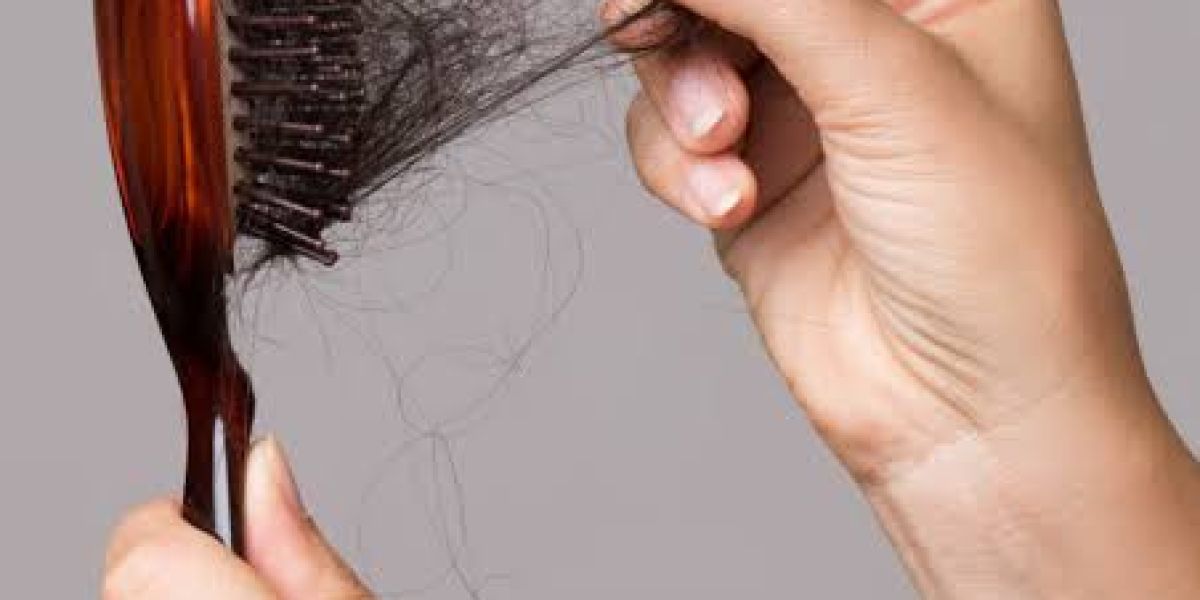
Hair loss occurs when more hair than usual is shed, individual strands become progressively thinner, or overall hair density decreases. Losing approximately 50–100 hairs per day is generally considered part of the natural hair renewal cycle. However, when new hair growth cannot adequately replace the strands being lost, or when follicles begin producing progressively finer and weaker hair, thinning becomes increasingly noticeable.
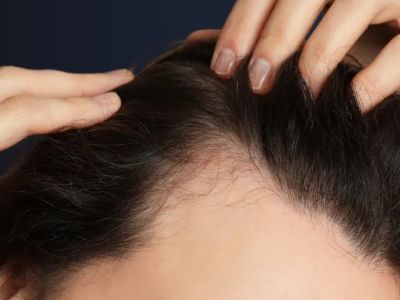
In hereditary hair loss, men commonly experience a receding hairline and thinning at the crown, while women are more likely to notice a widening part and reduced density across the top of the scalp.
What Are the Signs of Hair Loss?
Hair loss does not always begin suddenly. In many cases, the earliest signs are subtle: hair may appear less voluminous, individual strands may become finer, and the scalp may gradually become more visible. Some people experience thinning over several years, while others notice increased shedding when washing or brushing their hair.
The pattern of hair loss often provides clues about its underlying cause. Genetic hair loss typically develops gradually, while shedding associated with stress or illness may affect the entire scalp. Alopecia areata, an autoimmune condition, can cause distinct round or oval patches of hair loss. When shedding is accompanied by itching, redness, or scalp sensitivity, further medical evaluation may be necessary.
What Causes Hair Loss?
Genetics is one of the most common causes of hair loss. However, hormonal changes, thyroid disorders, iron or protein deficiencies, prolonged stress, rapid weight loss, certain medications, and aging can also disrupt the natural hair growth cycle. Tight hairstyles, excessive heat styling, and certain chemical treatments may damage the hair shaft or, over time, affect the follicles.
Healthy hair also depends on the environment surrounding each follicle. Hair follicles interact with nearby cells, blood vessels, and supporting tissues that help regulate their growth cycle. For this reason, effective hair loss management begins with identifying the underlying cause and assessing the condition of existing follicles before selecting an appropriate treatment.
HAIRCARE: Hair Mesotherapy for Hair and Scalp Health
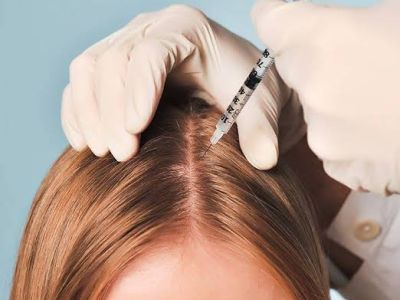
One approach to supporting hair and scalp health is HAIRCARE hair mesotherapy, which uses a specially formulated combination of ingredients designed to improve overall hair and scalp quality. Developed by the French company Laboratoire Revitacare, HAIRCARE combines hyaluronic acid with a revitalizing complex containing vitamins, amino acids, and minerals. It is intended to support the appearance and condition of hair, particularly when strands appear weakened, hair quality has declined, or the scalp requires additional hydration.
A key feature of HAIRCARE is its non-cross-linked hyaluronic acid content. Known for its moisture-retaining properties, hyaluronic acid helps support scalp hydration, while the additional ingredients are designed to complement hair and scalp care. Administered through small injections into the scalp, HAIRCARE is described by its manufacturer as a product intended to help support hair anchoring and reduce shedding associated with non-pathological hair concerns. Suitability depends on the cause of hair loss and must be assessed individually by a qualified physician.
Regenera Activa: Supporting Hair Follicles with Your Own Tissue
Regenera Activa is a regenerative treatment approach that uses a person's own scalp tissue to help support existing hair follicles. It is primarily explored for early-stage hereditary hair loss, particularly when hair strands are becoming finer and overall density is beginning to decrease. What distinguishes this approach is that it uses biological components obtained from the patient's own tissue rather than a separately manufactured injectable formulation.
During the procedure, tiny tissue samples are typically collected from the back of the scalp under local anesthesia. These samples are processed using a specialized device to create a suspension containing cellular components associated with tissue repair and follicular activity. The prepared suspension is then injected into areas experiencing thinning. Often performed in a single session, Regenera Activa aims to support follicles that remain active but have begun to weaken.
Some clinical studies have reported improvements in hair density and thickness following autologous micrograft treatments. However, further research is needed to establish long-term effectiveness and durability. Regenera Activa does not create entirely new follicles and should not be considered a replacement for hair transplantation in areas where permanent follicle loss has occurred.
Exosome-Based Approaches for Hair Loss
Another emerging area of hair loss research involves exosomes. These microscopic structures are released by cells and carry biological molecules, including proteins and growth factors, that help cells communicate with one another. Their potential relevance to hair health lies in their ability to influence cellular processes involved in follicle growth and renewal.
Research suggests that certain types of exosomes may affect the activity of cells responsible for hair production, influence the hair growth cycle, and interact with biological processes within the scalp. However, the clinical effectiveness and long-term safety of exosome-based hair treatments have not yet been established. Plant-derived extracellular vesicles and stem cell-derived exosomes also differ in their composition and intended applications.
Plant-Derived Exosome-Based Scalp Care
Developed by the South Korean company ExoCoBio, ASCE+ HRLV, featuring ExoSCRT technology, combines extracellular vesicles derived from Damascus rose cells with biotin, amino acids, peptides, and other scalp-care ingredients. The formulation is designed to address not only the appearance of hair strands but also the overall condition of the scalp.
Plant-derived extracellular vesicles are being studied for their biological properties and possible applications in skin and scalp care. ASCE+ HRLV is intended to support scalp condition and complement professional hair care. However, there is currently insufficient clinical evidence to establish that this specific product can stop hair loss or stimulate new hair growth. It is therefore best understood as an innovative scalp-care formulation rather than a clinically proven treatment for hair loss.
Stem Cell-Derived Exosome Treatment
Stem cell-derived exosomes are another focus of regenerative hair research. One example is Stembio ExoStem, which uses exosomes released by mesenchymal stem cells obtained from human umbilical cord tissue. Importantly, exosomes are not living stem cells. They are microscopic structures that carry biological messages between cells and may influence processes associated with tissue renewal.
Researchers are investigating whether stem cell-derived exosomes can influence the activity of hair-producing cells and support mechanisms associated with the active hair growth phase. Some early clinical studies involving certain stem cell-derived exosome preparations have reported improvements in hair density and thickness. However, these findings do not directly establish the effectiveness of Stembio ExoStem, and additional studies are needed to determine its safety and clinical benefits.
Choosing the Right Approach to Hair Loss Treatment
Hair loss does not have the same cause in every individual, and not all hair follicles retain the same ability to recover. This is why the first step in treatment is identifying the reason for hair loss and evaluating the condition of existing follicles. Genetic thinning, hormonal changes, nutritional deficiencies, and scalp disorders may each require different treatment strategies.
The goal of hair loss treatment is not simply to encourage new growth, but also to preserve the health of existing follicles whenever possible. While HAIRCARE mesotherapy, Regenera Activa, and emerging exosome-based applications represent different approaches to hair and scalp care, accurate diagnosis, personalized treatment planning, and scientifically supported medical care remain essential.
Frequently Asked Questions About Hair Loss Treatment
When Is Hair Loss Considered Abnormal?
Losing approximately 50–100 hairs per day is generally normal. However, excessive shedding, visible thinning, or the development of distinct bald patches may indicate an underlying condition that requires medical evaluation.
Can Hair Loss Be Stopped?
Whether hair loss can be controlled depends on its cause. Shedding associated with stress, nutritional deficiencies, or certain medical conditions may improve when the underlying issue is addressed. With hereditary hair loss, treatment generally focuses on slowing progression and preserving existing hair.
What Does HAIRCARE Hair Mesotherapy Do?
HAIRCARE is a mesotherapy formulation containing hyaluronic acid and ingredients designed to support hair and scalp quality. It aims to improve scalp hydration and the overall condition of hair strands. Its suitability for hair loss concerns depends on the underlying cause.
How Many HAIRCARE Mesotherapy Sessions Are Needed?
The number of sessions may vary depending on scalp condition, hair quality, and treatment goals. A personalized treatment schedule should be determined by a physician according to the product's instructions for use.
What Is the Difference Between Regenera Activa and Hair Mesotherapy?
Hair mesotherapy involves injecting specially formulated ingredients, which may include hyaluronic acid, vitamins, and amino acids. Regenera Activa, by contrast, uses cellular components obtained from the patient's own scalp tissue. The two procedures differ in their materials and approach.
How Many Regenera Activa Sessions Are Required?
Regenera Activa is commonly performed as a single-session procedure. However, follow-up assessments and the potential need for additional treatment depend on the individual's hair loss pattern and response.
Can Regenera Activa Replace a Hair Transplant?
No. Regenera Activa aims to support existing hair follicles, whereas hair transplantation involves relocating healthy follicles to areas affected by thinning or baldness. They are not direct substitutes.
Can Exosome Treatment Stimulate New Hair Growth?
Early research suggests that certain exosome preparations may support the activity of weakened but still viable hair follicles. However, there is insufficient evidence that exosome treatments can regenerate follicles that have been permanently lost.
How Long Does It Take to See Results from Hair Loss Treatments?
Hair growth is a gradual process, and visible changes often require several months of observation. The timing and extent of improvement depend on the underlying cause of hair loss and the treatment used.
Are Hair Loss Treatment Results Permanent?
The duration of results depends on the treatment and the cause of hair loss. In hereditary hair loss, the underlying process may continue over time, making ongoing monitoring or additional treatment necessary.
Are There Any Side Effects?
Possible side effects vary by procedure. Injectable treatments may cause temporary redness, tenderness, swelling, or bruising, while infection and allergic reactions are also possible. A medical assessment is important before any procedure, especially for newer treatments with limited long-term safety data.