

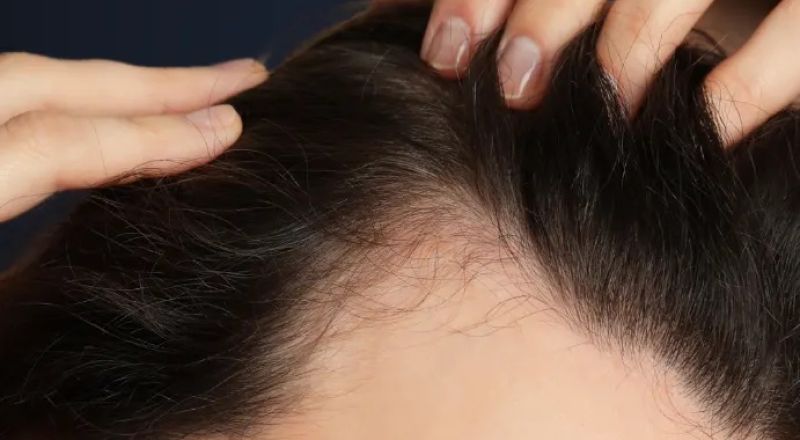
Healthy, strong-looking hair depends not only on the condition of the hair strands but also on the health of the follicles beneath the scalp. However, genetics, hormonal changes, and aging can gradually cause hair to become thinner and less dense. In recent years, exosome-based treatments have attracted growing interest in regenerative medicine because of their potential influence on the biological processes involved in hair growth. But what exactly are exosomes, how might they affect hair follicles, and what role could they play in managing hair loss? Dr. Mustafa Karataş explains.
What Is Exosome Treatment for Hair Loss?
Exosomes are tiny structures released by cells to communicate with one another. These microscopic vesicles carry proteins, growth factors, and other biological molecules that transfer information between cells. In a way, they act as the body's natural messaging system. Their involvement in cellular growth, renewal, and repair has made them an important subject of research in hair and scalp health.
The concept behind exosome treatment is to make use of these naturally occurring biological messages. Exosomes derived from stem cells are particularly interesting to researchers because of their potential to influence the activity of cells involved in hair growth. Unlike stem cell therapy, exosome-based treatments do not involve administering living stem cells. Instead, they use the tiny biological messengers released by those cells.
How Might Exosomes Support Hair Follicles?
Healthy hair growth depends on communication between hair follicles and the surrounding cells. Genetics, hormonal changes, and aging can disrupt this natural balance, gradually causing hair strands to become thinner. Researchers are investigating whether the growth factors and biological molecules carried by exosomes can influence the processes responsible for maintaining healthy hair follicles.
Supporting hair follicle activity: The biological molecules carried by exosomes may influence the cells responsible for hair production. Researchers are particularly interested in their potential to support follicles that have become weaker or smaller but remain active.
Influencing the hair growth cycle: Hair naturally moves through growth, transition, and resting phases. Experimental studies suggest that certain types of exosomes may influence the transition into the active growth phase and help regulate how long this phase lasts.
Supporting scalp health: A healthy scalp environment is important for maintaining normal hair growth. Researchers are investigating how exosomes may influence certain cellular processes in the scalp, including those associated with the development of small blood vessels that support hair follicles.
Early scientific studies have reported encouraging changes in hair density and thickness with certain exosome-based preparations. However, these findings cannot be applied to every exosome product, and further clinical research is needed.
Types of Exosomes Used in Hair and Scalp Care
Exosomes and related extracellular vesicles can come from different biological sources. Plant-derived vesicles are primarily being explored for scalp and skin care, while stem cell-derived exosomes are being studied for their potential effects on hair follicle activity and renewal.
ExoSCRT HRLV and Stembio ExoStem represent two different approaches in this emerging field.
ExoSCRT HRLV: Plant-Derived Exosome-Based Scalp Care
Developed by the South Korean company ExoCoBio, ASCE+ HRLV, featuring ExoSCRT technology, combines tiny extracellular vesicles derived from Damascus rose cells with biotin, amino acids, peptides, and other scalp-care ingredients. The formulation is designed to address not only the appearance of hair strands but also the overall condition of the scalp.
What distinguishes ExoSCRT HRLV is its combination of plant-derived extracellular vesicles with ingredients selected to support scalp care. The product aims to promote a healthier-looking scalp and complement professional hair-care routines.
Although this approach is attracting interest in cosmetic scalp care, there is currently insufficient clinical evidence to demonstrate that ExoSCRT HRLV can stop hair loss or stimulate new hair growth. It is therefore best described as an innovative scalp-care formulation rather than a clinically proven treatment for hair loss.
Stembio: Stem Cell-Derived Exosome Treatment
Another approach being explored in regenerative hair research involves stem cell-derived exosomes. Stembio ExoStem uses exosomes released by mesenchymal stem cells obtained from human umbilical cord tissue. Unlike plant-derived extracellular vesicles, these structures originate from human cells and carry biological molecules associated with cellular communication.
Researchers are investigating whether stem cell-derived exosomes can influence the activity of hair-producing cells and the natural hair growth cycle. Some early clinical studies involving certain stem cell-derived exosome preparations have reported improvements in hair density and thickness.
However, these findings do not directly establish the effectiveness of Stembio ExoStem. Additional clinical studies are needed to determine the product's potential benefits and long-term safety in hair loss treatment.
How Is Exosome Hair Treatment Performed?
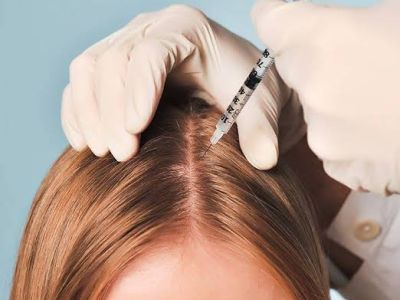
The application method depends on the type of exosome product and the intended purpose of the treatment. In some clinical studies, exosome-containing preparations have been administered through small injections into the scalp, while others have explored topical application or microneedling.
Not all exosome products are designed for the same application method. Any procedure must follow the product's instructions for use and applicable regulatory requirements.
Before considering treatment, the underlying cause of hair loss, the condition of the hair follicles, and the individual's needs should be assessed. There is currently no universally established treatment schedule or standard number of sessions for exosome-based hair loss procedures.
When Can Results from Exosome Hair Treatment Be Seen?
Hair growth is a gradual biological process. Some early clinical studies involving exosome-based treatments have reported changes in hair density and thickness after several months of follow-up.
However, the timing and extent of any improvement may vary depending on the cause of hair loss, the condition of the follicles, and the specific product used. The duration of potential benefits and the long-term effects of exosome-based applications remain under investigation.
Exosome research is helping scientists better understand the biological processes that regulate hair follicle growth. Nevertheless, the effectiveness, safety, and ideal treatment protocols for exosome-based hair restoration have not yet been conclusively established.
The most important step in managing hair loss is identifying its underlying cause and preserving the health of existing hair follicles whenever possible. A personalized medical assessment and scientifically supported treatment options remain essential for effective hair loss management.
Frequently Asked Questions About Exosome Hair Treatment
Can Exosome Treatment Stop Hair Loss?
Researchers are investigating whether exosomes can support hair follicle activity and improve hair density. Although early studies have reported encouraging findings, exosome treatment has not been proven to completely stop hair loss.
Can Exosome Treatment Stimulate New Hair Growth?
Some studies suggest that certain exosome preparations may support weakened but still active hair follicles. However, there is insufficient evidence that exosome treatment can regenerate follicles that have been permanently lost.
How Many Exosome Hair Treatment Sessions Are Needed?
The number of sessions may depend on the product used and the individual's hair condition. There is currently no scientifically established standard treatment schedule that applies to everyone.
What Is the Difference Between Exosome Treatment and PRP?
PRP, or platelet-rich plasma, is prepared from the patient's own blood and contains concentrated platelets and growth factors. Exosome-based treatments use microscopic structures released by cells that carry biological signaling molecules. The two approaches differ in their composition and mechanisms.
Can Exosome Treatment Replace a Hair Transplant?
No. Hair transplantation involves moving healthy follicles to areas affected by thinning or baldness. Exosome-based approaches are being investigated for their potential effects on existing follicles and are not a proven replacement for hair transplantation.
Are There Any Side Effects of Exosome Hair Treatment?
Possible side effects depend on the product and application method. Temporary redness, tenderness, or swelling may occur, while injection-based procedures also carry risks such as infection and allergic reactions. Long-term safety data for exosome-based treatments remain limited.
 Main treatment page
Hair Loss Treatment
→