

Exolase One
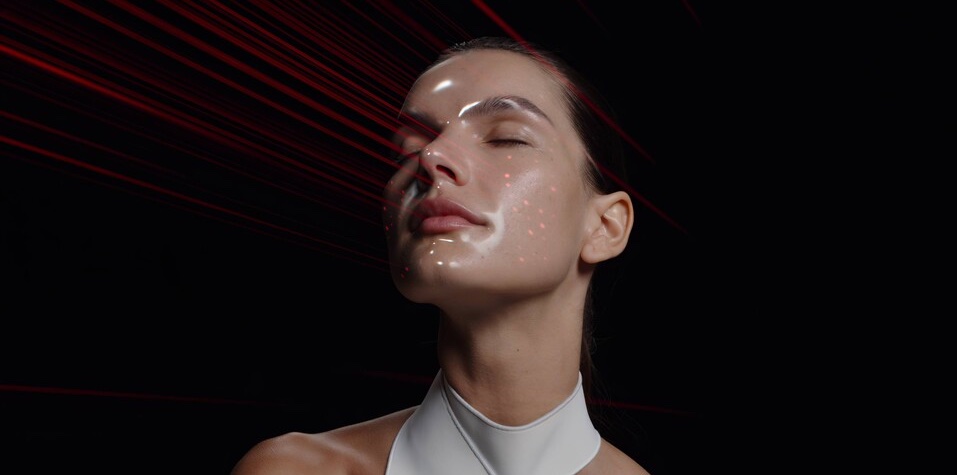 Skin aging does not happen only on the surface. Along with pigmentation, fine lines and uneven texture, the gradual loss of collagen and elastin in the deeper layers of the skin also plays an important role in how the skin ages. EXOLASE ONE combines two laser technologies with the ONEpulse™ system to target different layers of the skin within the same treatment approach. The goal is smoother, clearer, firmer and more radiant-looking skin.
Expectations from skin rejuvenation treatments have changed. Today, the aim is no longer simply to lighten a visible spot, soften a few fine lines or temporarily brighten the complexion. Modern skin rejuvenation focuses on improving the skin more comprehensively — from its surface appearance to the deeper structures responsible for firmness and elasticity.
Healthy, youthful-looking skin is not defined by a single feature. Smooth texture, less visible pores, an even complexion, healthy radiance and strong structural support all contribute to the overall quality of the skin. This is why modern anti-aging treatments increasingly focus on overall skin quality rather than a single concern.
A Three-Dimensional Approach to Skin Aging
Skin aging develops gradually. Over the years, sun exposure and environmental damage may become more visible. Fine lines increase, pigmentation becomes more noticeable and the skin may begin to lose its smooth texture.
At the same time, the natural aging process affects the deeper layers of the skin. Collagen and elastin — two of the main structural proteins responsible for firmness and elasticity — gradually decrease in both quantity and quality. The skin also becomes less efficient at producing new collagen and elastin.
EXOLASE ONE, developed by BTL, was designed to address this multi-layered aging process using two complementary erbium laser technologies: 2940 nm Er:YAG and 1540 nm Er:Glass.
These wavelengths can be used separately or delivered together to the same microscopic treatment area through ONEpulse™ technology. This allows controlled resurfacing of the skin surface and stimulation of the deeper dermal layers to become part of the same treatment strategy.
How Does EXOLASE ONE Work?
The easiest way to understand EXOLASE ONE is to look at the different roles of its two laser wavelengths.
2940 nm Er:YAG: Surface Renewal
The 2940 nm Er:YAG laser is strongly absorbed by water within the skin. This allows it to create highly controlled and precise renewal of the epidermis, the outermost layer of the skin.
It can help improve skin affected by:
-Sun damage
-Uneven pigmentation
-Rough texture
-Fine lines
-Dullness
By renewing damaged and irregular surface cells, the treatment can create a smoother, clearer and more radiant appearance.
1540 nm Er:Glass: Deeper Skin Remodeling
The 1540 nm Er:Glass laser works deeper within the dermis. It creates controlled microscopic areas of heat beneath the skin surface.
This thermal stimulation supports the skin’s natural repair mechanisms and fibroblast activity, encouraging the production and remodeling of collagen and elastin.
While improvements on the surface may become visible relatively early, changes related to deeper collagen remodeling develop more gradually. The skin therefore continues to improve over time.
What Is ONEpulse™ Technology?
One of the features that distinguishes EXOLASE ONE is ONEpulse™ technology.
ONEpulse™ allows the 1540 nm Er:Glass and 2940 nm Er:YAG energies to be delivered in a coordinated way to the same microscopic treatment area.
In simple terms, the two lasers can work at different depths along the same treatment pathway. While controlled renewal takes place on the surface, the deeper layers of the same area receive thermal stimulation designed to support collagen and elastin production.
The goal is to deliver the appropriate energy to the appropriate depth and create a more balanced, comprehensive skin renewal process.
One Treatment Approach for Five Signs of Skin Aging
Skin aging is rarely caused by a single problem. Sun damage, pigmentation, loss of collagen, fine lines, enlarged pores and reduced firmness are often interconnected.
For example, sun damage does not only cause pigmentation. It may also affect skin texture and collagen quality. Similarly, collagen loss does not only result in skin laxity. It can also make fine lines and pores appear more noticeable.
EXOLASE ONE approaches these changes as different aspects of the same aging process rather than completely separate concerns.
1. Uneven Texture and Visible Pores
Rough texture, enlarged-looking pores and an uneven skin surface can become more refined through controlled epidermal renewal. The result may be smoother and more even-looking skin.
2. Fine Lines and Wrinkles
Fine lines and wrinkles are not only surface-level concerns. Loss of collagen and elastin within the dermis also plays an important role in their development.
Combining surface renewal with deeper collagen stimulation therefore aims to improve not only the appearance of lines but also the structural quality of the skin.
3. Pigmentation and Sun Spots
Pigmentation caused by sun exposure can make the complexion appear dull and uneven.
Controlled resurfacing with the 2940 nm Er:YAG laser supports the renewal of superficial pigmented skin cells, helping create a clearer and more even-looking complexion.
4. Uneven Skin Tone
Redness and uneven coloration are also important components of overall skin quality. The objective is not simply to reduce individual spots, but to help create a more balanced and uniform-looking complexion.
5. Loss of Firmness and Elasticity
As dermal collagen and elastin decrease over time, the skin may begin to look thinner and less firm.
The controlled thermal stimulation created by the 1540 nm Er:Glass laser supports fibroblast activity and new collagen formation. As remodeling progresses, the skin may gradually appear firmer, stronger and more elastic.
A Personalized Treatment Plan
There is no single EXOLASE ONE protocol that is appropriate for everyone.
Treatment intensity is selected according to:
-Skin type
-Degree of sun damage
-Pigmentation
-Signs of aging
-Desired results
-Acceptable recovery time
A lighter skin-renewal protocol and a more intensive resurfacing treatment naturally create different responses in the skin.
For this reason, treatment planning takes both your goals and the amount of downtime you are comfortable with into consideration.
Mild Treatments
With lighter protocols, mild redness may last approximately 1–2 days. Patients can generally return to their normal daily activities immediately.
Moderate Treatments
With moderate treatment settings, redness and mild crusting or flaking may occur for approximately 2–4 days. The skin generally shows significant recovery within 3–5 days.
More Intensive Treatments
With stronger treatment protocols, redness and mild peeling may continue for approximately 5–7 days. Recovery time may vary depending on the individual’s skin and the treatment parameters used.
How Many EXOLASE ONE Sessions Are Needed?
The number and frequency of sessions are personalized.
For lighter protocols, a treatment plan may include approximately 3–4 sessions at 1–2 week intervals.
For moderate or more intensive protocols, approximately 2–3 sessions at 4–6 week intervals may be planned.
These numbers are not a fixed prescription. Skin quality, pigmentation, sun damage, degree of aging, treatment goals and acceptable downtime are all considered when creating the most appropriate treatment plan.
Frequently Asked Questions About EXOLASE ONE
What Is EXOLASE ONE?
EXOLASE ONE is a next-generation skin rejuvenation system that combines two erbium laser technologies: 2940 nm Er:YAG and 1540 nm Er:Glass.
The 2940 nm Er:YAG laser primarily focuses on controlled renewal of the skin surface, while the 1540 nm Er:Glass laser reaches deeper into the dermis and creates controlled thermal stimulation to support collagen and elastin remodeling.
Through ONEpulse™ technology, both wavelengths can also be used within the same microscopic treatment area. This makes it possible to approach different layers of the skin as part of the same rejuvenation strategy.
What Makes ONEpulse™ Different?
ONEpulse™ technology allows the 2940 nm Er:YAG and 1540 nm Er:Glass energies to be delivered in a coordinated way to the same microscopic treatment area.
This means that surface renewal and deeper collagen stimulation do not have to be treated as completely separate processes. Instead, they become complementary parts of the same skin-renewal approach.
What Skin Concerns Can EXOLASE ONE Target?
EXOLASE ONE may be used to address concerns including:
-Rough or uneven skin texture
-Visible pores
-Sun-related pigmentation
-Uneven skin tone
-Redness and discoloration
-Fine lines
-Wrinkles
-Loss of firmness
Reduced elasticity
The most appropriate treatment plan depends on the individual’s skin condition and goals.
What Is the Difference Between 2940 nm Er:YAG and 1540 nm Er:Glass?
The 2940 nm Er:YAG laser is strongly absorbed by water in the skin and creates precise, controlled resurfacing of the epidermis. It mainly targets surface-level concerns.
The 1540 nm Er:Glass laser reaches deeper into the dermis without producing the same degree of surface removal. It creates controlled thermal stimulation that supports collagen remodeling.
EXOLASE ONE is designed to bring these two different effects together within one treatment system.
What Happens During an EXOLASE ONE Treatment?
Every treatment is planned according to the patient’s skin and desired result.
With lighter protocols, a numbing cream may not be necessary. For more intensive treatments, a topical anesthetic cream may be applied beforehand to improve comfort.
During treatment, patients may experience mild prickling, warmth or a temporary burning sensation. These sensations are generally expected and temporary.
More intensive settings may cause greater warmth during treatment and more redness afterward. For this reason, treatment intensity is selected according to skin type, treatment goals and patient comfort.
How Long Is the Recovery Period?
Recovery time depends mainly on the intensity of treatment.
With lighter protocols, redness may last approximately 1–2 days.
With moderate treatments, redness and mild crusting or flaking may continue for around 2–4 days.
After more intensive treatments, redness and superficial peeling may last approximately 5–7 days.
These periods can vary according to skin type, treatment intensity and the parameters used.
When Will I See Results?
Improvements related to surface renewal may become visible relatively early. The skin may begin to look smoother, clearer, fresher and more radiant.
Changes related to collagen production and deeper dermal remodeling develop more gradually.
For this reason, the final result is not limited to what you see immediately after the recovery period. The skin can continue to renew and improve over the following weeks.