


Some aesthetic treatments deliver immediate results. You leave the clinic, look in the mirror, and notice the difference right away. Others work more quietly, gradually transforming the skin from within. Sculptra belongs to the second category.
Although Sculptra is an injectable treatment, its mechanism of action makes it fundamentally different from conventional dermal fillers. Rather than simply adding volume to the face, its purpose is to stimulate the skin's natural regenerative processes, helping restore the structural support associated with younger-looking skin. In essence, Sculptra stands out as a treatment designed to rejuvenate and rebuild the skin from the inside out.
As we age, the changes in our faces go far beyond fine lines and wrinkles. While these may be the first signs we notice in the mirror, the underlying causes lie much deeper. The skin's supporting structures gradually weaken, while collagen and elastin production decline. The cheeks begin to lose their youthful fullness, sometimes appearing hollow or sunken. Meanwhile, facial contours become less defined, and the youthful V-shaped appearance of the face gradually fades.
These changes can be difficult to recognize when looking at yourself every day. Often, they become much more apparent when comparing recent photographs with pictures taken several years earlier.
This is precisely where Sculptra comes into play. Its active ingredient, poly-L-lactic acid (PLLA), acts as a biostimulator that encourages collagen production beneath the skin. In other words, rather than providing temporary volume from an external substance, Sculptra stimulates the skin's own collagen-building process.
Now, let's explore the most frequently asked questions about Sculptra and everything you need to know before considering the treatment.
What Is Sculptra?
Sculptra is an injectable collagen-stimulating treatment designed to gradually improve the skin's structural support and restore lost facial volume.
Unlike traditional hyaluronic acid-based dermal fillers, Sculptra does not produce an immediate, pronounced volumizing effect. Instead, it creates a controlled biological response beneath the skin, stimulating collagen production and helping the skin appear firmer, smoother, and more resilient.
The production of new collagen plays an essential role in maintaining youthful-looking skin. However, the results of Sculptra do not appear overnight. This is because the regenerative process triggered by the injected formula takes time to develop.
Rather than creating an instant transformation, Sculptra gradually improves the appearance of the skin. Over the following weeks and months, you may notice that your complexion looks healthier, firmer, more radiant, and refreshed.
One of the treatment's most appealing qualities is its ability to deliver natural-looking rejuvenation. The goal is not to dramatically alter your facial expression or create an overfilled appearance. Instead, Sculptra aims to restore the skin's natural support while preserving the features that make your face uniquely yours.
In other words, the objective is to achieve a younger, fresher appearance without looking like a different person.
How Does Sculptra Work?
Collagen acts as the skin's internal support system. It is one of the essential structural proteins responsible for maintaining firmness, elasticity, and volume.
As collagen levels decline with age, the skin gradually becomes thinner, less resilient, and more prone to sagging. Sculptra addresses these changes by working beneath the surface, targeting one of the underlying factors associated with visible skin aging.
The PLLA microparticles in Sculptra create a biological stimulus within the skin. In response, the body activates its natural collagen-producing mechanisms, gradually forming new collagen fibers.
Over time, the injected PLLA particles are broken down and metabolized by the body. However, the collagen production they stimulate can continue to support the skin's structure, helping it appear firmer, fuller, and more youthful.
Initial improvements may become noticeable within several weeks, while more visible results typically develop over the following months as collagen production progresses.
Is Sculptra a Dermal Filler?
Although Sculptra is frequently described as a dermal filler, its mechanism of action differs significantly from that of conventional hyaluronic acid fillers.
Traditional fillers provide volume by physically adding a gel-like substance beneath the skin. Sculptra, on the other hand, works primarily by stimulating the body's natural collagen production.
The objective is not simply to fill wrinkles or create immediate volume, but to improve the skin's underlying structural support.
Collagen is one of the most important components of youthful-looking skin. Maintaining healthy collagen levels helps preserve firmness, elasticity, and overall skin quality.
While hyaluronic acid fillers primarily focus on restoring or enhancing volume, Sculptra takes a more gradual approach by encouraging the skin to rebuild some of its own support.
Is Sculptra Better Than Traditional Dermal Fillers?
The answer depends entirely on your aesthetic goals and expectations.
If you are looking for an immediate and noticeable transformation, hyaluronic acid-based fillers may be the more appropriate option.
For example, if your goal is to achieve fuller lips, immediately soften nasolabial folds, enhance cheekbone definition, or create a more sculpted chin, conventional dermal fillers may provide the results you are looking for.
However, if you prefer gradual, natural-looking rejuvenation and are interested in a longer-term approach to maintaining youthful skin, Sculptra may be a better choice.
In some patients, the most balanced results are achieved by combining Sculptra with hyaluronic acid fillers. This approach allows physicians to address immediate volume concerns while also supporting collagen production over time.
The most suitable treatment should always be determined by an experienced medical professional following a comprehensive facial assessment.
What Are the Advantages of Sculptra Compared to Other Treatments?
One of Sculptra's greatest advantages is the natural-looking quality of its results.
Rather than making the face appear suddenly fuller, swollen, or noticeably altered, Sculptra produces gradual improvements that develop over time.
As a result, people around you may notice that you look refreshed, healthier, or more youthful without necessarily realizing that you have undergone an aesthetic treatment.
Another important advantage is the longevity of its effects.
While conventional hyaluronic acid fillers provide volume for a period that varies depending on the product and treatment area, Sculptra stimulates the body's own collagen production, allowing its aesthetic improvements to last for an extended period.
This makes Sculptra particularly appealing to patients seeking subtle, progressive, and longer-lasting facial rejuvenation.
Who Is a Good Candidate for Sculptra?
Sculptra is particularly suitable for individuals experiencing mild to moderate facial volume loss or early signs of declining skin firmness.
It may be especially beneficial for those who have noticed hollowing in the cheeks, volume loss around the temples, reduced facial definition, or a gradual loss of the youthful contours of the face.
It is also an appealing option for individuals who prefer subtle improvements rather than sudden or dramatic changes.
If your goal is to look refreshed and youthful without appearing as though you have had fillers, Sculptra may be worth considering.
The treatment is designed for patients who appreciate a gradual approach to facial rejuvenation and understand that meaningful improvements in collagen production take time.
Is Sculptra Suitable for Everyone?
No. Like any medical aesthetic procedure, Sculptra is not appropriate for every patient.
Treatment should be avoided in areas affected by active skin infections. Certain autoimmune conditions, a history of keloid formation, or other medical concerns may also require additional evaluation or make treatment unsuitable.
Sculptra is generally not recommended during pregnancy or breastfeeding due to insufficient safety data.
For these reasons, a detailed medical consultation is essential before treatment. Your physician should review your medical history, assess your skin, and determine whether Sculptra is appropriate for your individual needs.
Which Areas of the Face Can Be Treated with Sculptra?
Sculptra is generally used in facial areas affected by volume loss and reduced structural support.
Common treatment areas include the cheeks, temples, jawline, facial contours, and lower face, depending on the patient's anatomy and the approved indications in the relevant country.
Rather than focusing exclusively on individual wrinkles, Sculptra aims to improve the overall quality and structural support of the skin.
This comprehensive approach can help create a more balanced, youthful facial appearance.
As collagen production increases, the skin may gradually appear firmer and smoother, while certain lines and wrinkles become less noticeable.
The objective is to improve the face as a whole rather than simply correcting isolated imperfections.
Can Sculptra Be Used on the Neck and Décolletage?
Sculptra is also used by some experienced practitioners for rejuvenation of the neck and décolletage, although these applications may be considered off-label depending on local regulatory approvals.
The skin in these areas is generally thinner and more delicate than in many other parts of the body, making it particularly vulnerable to visible signs of aging.
Over time, fine lines, wrinkles, and loss of elasticity can become increasingly noticeable.
By stimulating collagen production, Sculptra may help improve skin firmness, texture, and the appearance of fine lines in appropriately selected patients.
However, treatment in these delicate areas requires careful assessment, appropriate injection techniques, and an experienced physician.
A medical consultation is necessary to determine whether Sculptra is suitable for these areas.
Can Sculptra Also Be Used to Address Signs of Aging on the Body?
Yes. Beyond facial rejuvenation, Sculptra is sometimes used in selected body areas to improve skin quality and address certain age-related changes.
By stimulating collagen production, it may help improve skin firmness and texture in areas where elasticity has declined.
Potential applications include:
-
Upper arms: Helping improve the appearance of mild skin laxity and fine lines on the inner arms.
-
Abdomen: Supporting skin firmness and improving the appearance of skin that has lost some of its elasticity.
-
Above the knees: Helping reduce the appearance of crepey skin, fine lines, and mild laxity.
-
Buttocks: Improving skin texture and supporting a smoother, firmer, and more contoured appearance.
-
Areas affected by cellulite: Helping improve certain textural irregularities and the appearance of skin dimpling in selected patients.
These body applications may be off-label and results vary according to skin quality, treatment technique, and individual characteristics.
An experienced physician should determine whether treatment is appropriate and establish realistic expectations.
What Should I Consider Before Undergoing Sculptra Treatment?
As with any aesthetic procedure, the first step is to establish realistic expectations.
Sculptra is not designed for patients seeking an immediate transformation. Its effects develop gradually, and visible improvements require patience.
Another essential consideration is the experience and expertise of the physician performing the procedure.
Sculptra is a technique-sensitive injectable treatment. Successful outcomes depend on a detailed understanding of facial anatomy, proper product preparation, appropriate injection depth, and precise placement.
When performed incorrectly, complications such as uneven results, palpable lumps, or nodules may occur.
Choosing a qualified and experienced medical professional is therefore one of the most important factors in achieving safe, natural-looking results.
What Happens During Sculptra Treatment? Is It Painful?
Before treatment, your physician will assess your facial anatomy, skin quality, degree of volume loss, and aesthetic expectations.
Based on this evaluation, a personalized treatment plan will be developed.
The treatment area is then cleansed, and a topical or local anesthetic may be used to improve comfort.
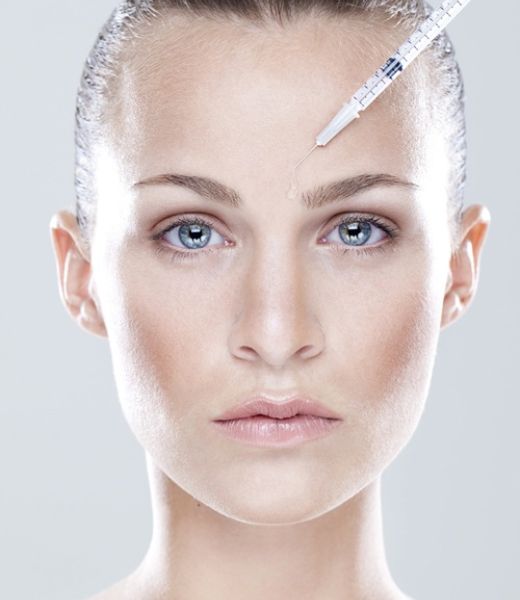
Sculptra is injected into the selected areas using a fine needle or cannula, depending on the treatment plan and the physician's technique.
The procedure is generally relatively quick, and most patients can return to their usual daily activities on the same day.
Sculptra is typically considered a well-tolerated treatment. Some patients experience mild pressure, temporary stinging, or slight discomfort during the injections.
The use of appropriate anesthetic techniques can make the procedure more comfortable, even for individuals with a relatively low pain threshold.
Can Sculptra Produce Results Comparable to a Surgical Facelift?
Sculptra is a nonsurgical treatment and should not be considered a substitute for facelift surgery.
A surgical facelift physically repositions and tightens facial tissues, making it more suitable for addressing significant skin laxity and advanced sagging.
Sculptra does not surgically lift the tissues. Instead, it stimulates collagen production and gradually improves the appearance of facial volume loss and skin firmness.
For patients experiencing early to moderate signs of aging, Sculptra may offer an appealing nonsurgical rejuvenation option.
It can also be considered by individuals who are not ready for surgery or who wish to maintain their appearance through less invasive treatments.
However, the degree of improvement depends on the patient's anatomy, skin condition, and treatment goals.
What Results Can I Expect from Sculptra?
Sculptra is designed to produce gradual, natural-looking improvements rather than an exaggerated transformation.
With an appropriate treatment plan, patients may experience:
-
Improved skin firmness and quality: The skin may appear stronger, smoother, and more resilient as collagen production develops.
-
A fresher, more radiant complexion: Gradual changes in skin structure can contribute to a healthier and more youthful appearance.
-
Softer lines and wrinkles: Certain facial folds and wrinkles may become less noticeable as structural support improves.
-
Natural-looking volume restoration: Areas affected by age-related volume loss may gradually regain a fuller, more balanced appearance.
-
Long-lasting rejuvenation: Improvements develop progressively and may remain visible for an extended period.
Sculptra is particularly appealing to individuals who want to preserve their natural facial expression while addressing visible signs of aging.
Rather than simply concealing age-related changes, the treatment supports one of the skin's fundamental structural components: collagen.
When Will I Start Seeing Results?
Sculptra is a treatment that requires patience.
During the first few weeks, some patients may notice subtle improvements in the appearance of their skin. However, the collagen-stimulating process takes time, and initial visible changes often begin to develop after approximately four to six weeks.
More noticeable improvements generally appear over the following months as new collagen gradually forms.
Unlike treatments that produce immediate volume, Sculptra works progressively.
The result is a gradual transformation that can appear especially natural because it develops in harmony with the skin's own biological processes.
How Many Sculptra Sessions Will I Need?
The number of treatment sessions depends on your skin condition, the degree of volume loss, and your aesthetic expectations.
A typical treatment plan may involve two to three sessions, often spaced approximately four to six weeks apart.
However, this is not a fixed protocol.
Some patients may require fewer sessions, while others may benefit from additional treatment depending on their individual needs.
Your physician will determine the most appropriate schedule following a detailed consultation.
How Long Is the Recovery Period After Sculptra?
One of the advantages of Sculptra is that it generally involves minimal downtime.
Most patients can return to their usual daily activities shortly after the procedure.
However, as with any injectable treatment, temporary side effects may occur.
These can include mild swelling, redness, tenderness, or bruising around the injection sites.
In some cases, small lumps or nodules may develop beneath the skin. While certain post-injection irregularities may resolve, persistent nodules require medical assessment and should not be assumed to disappear with massage.
Your physician will provide specific aftercare instructions and explain which symptoms are expected and which require follow-up.
Is There Anything I Should Avoid After Sculptra Treatment?
Following Sculptra treatment, your physician may recommend avoiding strenuous exercise and excessive heat exposure, including saunas and steam rooms, for approximately the first 24 hours.
You may also be advised to massage the treated areas according to a specific protocol.
Massage recommendations vary depending on the treatment technique and the physician's instructions.
One commonly discussed approach involves massaging the treated areas for several minutes multiple times a day during the initial post-treatment period.
However, you should follow the exact instructions provided by your treating physician rather than applying a general massage routine on your own.
Proper aftercare is an important part of achieving the best possible outcome.
How Long Do Sculptra Results Last?
One of Sculptra's most appealing characteristics is the longevity of its results.
Once the collagen-stimulating process has developed and the optimal improvements have become visible, results may last approximately 18 to 24 months, and in some patients, even longer.
The duration of the effects varies according to age, skin condition, lifestyle, treatment protocol, and individual biological factors.
Because Sculptra stimulates the body's own collagen production, its effects develop gradually and may continue to provide visible improvement long after the initial treatment sessions.
How Can I Maintain and Support the Results of Sculptra?
Healthy lifestyle habits play an important role in maintaining overall skin quality and supporting the results of aesthetic treatments.
A balanced diet, adequate hydration, and consistent sun protection can help preserve healthy-looking skin.
Excessive ultraviolet exposure contributes to collagen degradation and accelerates visible skin aging. Protecting your skin from the sun is therefore particularly important.
Maintaining a healthy lifestyle, avoiding smoking, and following a suitable skincare routine may also support the long-term appearance of your skin.
In essence, the benefits of Sculptra are best supported by a comprehensive approach to skin health.
Collagen production is influenced not only by aesthetic treatments but also by the body's overall health and natural aging processes.
Can Sculptra Be Combined with Other Aesthetic Treatments?
Yes. Sculptra can be incorporated into a comprehensive facial rejuvenation plan alongside other aesthetic procedures.
In fact, combining different treatments may provide more balanced results when each procedure addresses a specific concern.
For example, botulinum toxin injections may be used to soften expression lines, hyaluronic acid fillers may restore volume in selected areas, and Sculptra may be used to stimulate collagen production and gradually improve facial support.
This approach allows physicians to address both immediate aesthetic concerns and longer-term changes in skin structure.
However, combination treatments must be carefully planned, taking into account the patient's anatomy, medical history, treatment areas, and appropriate timing between procedures.
The ultimate goal is not to dramatically change the face, but to create a naturally refreshed, harmonious, and youthful appearance.
 Main treatment page
Skin Rejuvenation
→